
WIRE HARNESSES FOR CONSTRUCTION EQUIPMENT
Construction equipment operates in some of the most demanding environments of any industry. At BECO Wire Harness, we understand that job sites expose machines to constant vibration, dust, moisture, debris, extreme temperatures, and heavy mechanical loads. These conditions place significant strain on electrical systems, making wire harness reliability a critical factor in equipment performance.
Through protective design practices and application-focused engineering, BECO Wire Harness helps OEMs reduce downtime, improve safety, and extend equipment service life.
Electrical Failures on Construction Job Sites
BECO Wire Harness regularly analyzes field failure data from construction equipment applications. Unlike controlled factory environments, job sites are unpredictable and continuously changing. Excavators, loaders, cranes, and earthmoving equipment operate over uneven terrain, creating sustained shock and vibration that directly impacts wire harness systems.
Moisture ingress, abrasion, vibration fatigue, and mechanical strain as the primary causes of electrical failures. Dust, mud, and debris penetrate poorly protected connectors. Repeated articulation causes bending and pulling at the harness branches.
High-Risk Harness Zones Identified
Through extensive application experience, BECO Wire Harness recognizes that connectors are among the highest-risk components in construction wire harnesses. Exposure to water spray, pressure washing, dust, and debris leads to corrosion and intermittent electrical faults when sealing is insufficient.
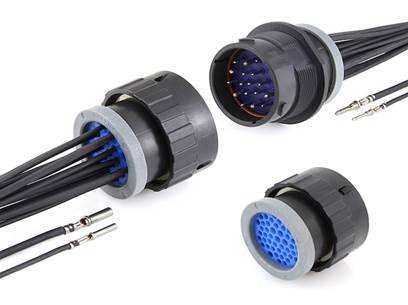
BECO Wire Harness also addresses high-movement zones near articulated joints and hydraulic components. Improper routing in these areas causes excessive flexing and tensile stress. Sharp edges, pinch points, and vibration-prone junctions accelerate insulation wear.
Protective Design Practices Applied
BECO Wire Harness engineers routing paths to accommodate machine movement while minimizing unnecessary motion. Controlled bend radii are applied to reduce conductor fatigue during continuous articulation.
Abrasion-resistant sleeving protects against debris and friction. Purpose-designed strain relief reduces vibration damage and pull-out forces at connectors and branch points. These protective measures significantly improve long-term electrical reliability.
Design and Manufacturing for Job Site Durability
CAD-based harness development allows BECO Wire Harness engineers to identify mechanical stress points early and optimize routing before production. Movement, vibration, and load conditions are evaluated to ensure long-term performance.
Long-Term Value Delivered
BECO Wire Harness wire harness solutions reduce unplanned downtime and maintenance costs for construction equipment. Reliable electrical performance supports sensors, control systems, and safety-critical functions in demanding environments.
Conclusion
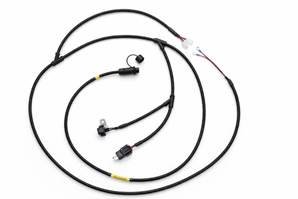
Electrical failures on construction job sites are costly but preventable. BECO Wire Harness demonstrates that protective design practices, applied from concept through production, significantly reduce failure risks.
BECO Wire Harness works closely with OEMs and manufacturers to ensure wire harness solutions are engineered to withstand the electrical, mechanical, and environmental challenges of construction equipment.