
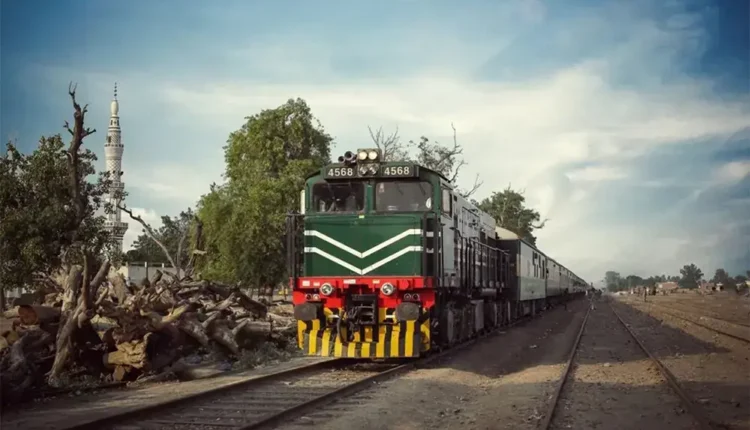
Govt Seeks Financing for $2.5 Billion ML-1 Karachi–Rohri Upgrade
KARACHI: Pakistan is seeking international financing to move forward with the long-delayed Main Line-1 railway upgrade, starting with the roughly 480-kilometer Karachi–Rohri section, which the government estimates will cost around $2.5 billion.
Planning Minister Ahsan Iqbal presented the project to development partners at the CAREC International Conference in Mongolia, arguing that modernizing ML-1 is essential to increase railway capacity, reduce freight costs, and improve regional trade connectivity.
The Karachi–Rohri corridor is currently the most advanced section of the wider Karachi–Peshawar ML-1 modernization plan. The government says the Asian Development Bank is leading the financing effort, while the Asian Infrastructure Investment Bank, World Bank, Islamic Development Bank and European Investment Bank are engaged as potential co-financing partners.
Karachi–Rohri Upgrade Could Nearly Halve Travel Time
The proposed upgrade goes well beyond replacing old railway tracks.
According to the Planning Ministry, the project is expected to increase line capacity from around 34 to 120 train pairs, while passenger trains could operate at speeds of up to 160 km/h. Freight train speeds are expected to increase from around 30 km/h to 80 km/h.
| ML-1 Karachi–Rohri | Current / Existing | After Proposed Upgrade |
| Line capacity | 34 train pairs | 120 train pairs |
| Passenger speed | Lower existing speeds | Up to 160 km/h |
| Freight speed | Around 30 km/h | Up to 80 km/h |
| Karachi–Rohri journey | Around 8 hours | Around 4.5 hours |
The government also expects the Karachi–Rohri journey to fall from roughly eight hours to about four and a half hours, while freight demand on the corridor is projected to reach around 21 million tonnes annually by 2035.
Financing Still Not Final
The project is moving forward, but the full financing package has not yet been finalized.
ADB has been working on the Karachi–Rohri section, while Pakistan is also exploring support from institutions including the World Bank, AIIB, and other development lenders.
The government is separately working on financing for the remaining ML-1 sections toward Multan, Lahore and Peshawar.
Why ML-1 Matters?
ML-1 stretches roughly 1,726 kilometers from Karachi to Peshawar and remains the backbone of Pakistan Railways. According to government figures, it carries about 76% of railway passenger traffic and 98% of freight traffic despite aging infrastructure and operational constraints.
That makes the Karachi–Rohri section particularly important because it connects Pakistan’s main port city with the national railway network.
ADB says Pakistan’s transport system remains heavily tilted toward roads, contributing to logistics costs estimated at around 15% of GDP, while rail remains comparatively underused for bulk freight. Its proposed Karachi–Rohri project includes track improvements, modern signaling, climate-resilient infrastructure and operational reforms.
For now, though, the main challenge remains the same one that has delayed ML-1 for years: securing financing and moving from planning into actual construction.